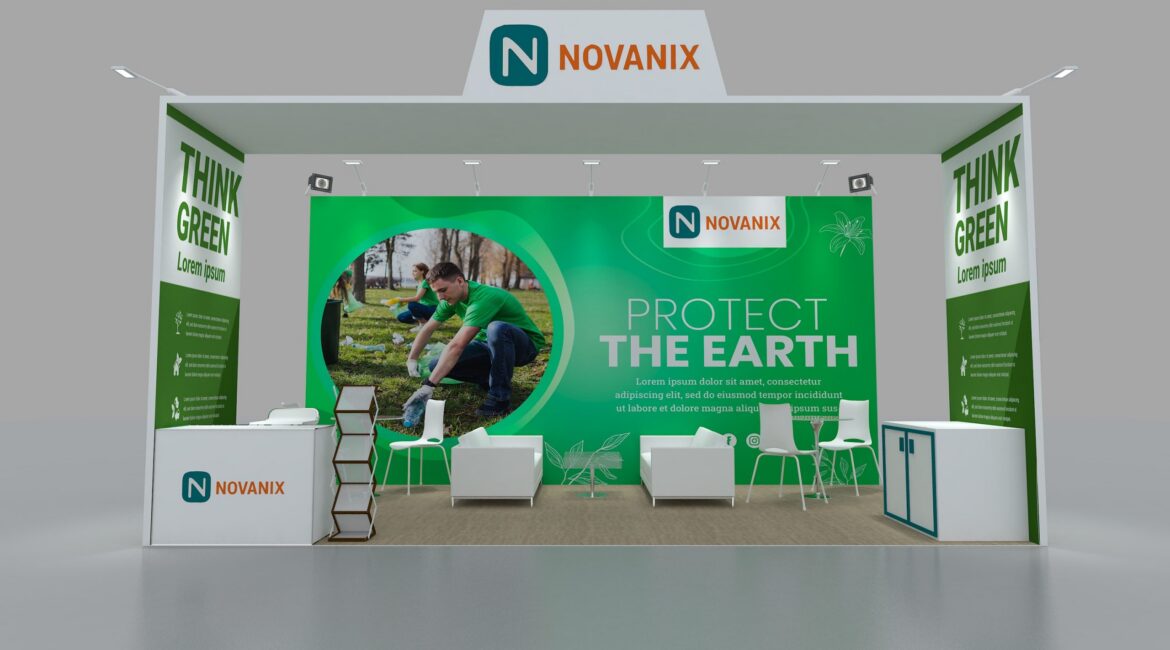
Trade shows offer businesses an opportunity to showcase products, connect with potential customers, and strengthen brand visibility. However, selecting the right exhibit structure can significantly influence your event experience and marketing results.
Two popular options are custom trade show exhibits and modular exhibits. Both provide unique advantages depending on your budget, branding requirements, exhibition space, and marketing objectives.
Understanding their differences can help you select an exhibit solution that supports your business goals while delivering an engaging visitor experience.
What are Custom Trade Show Exhibits?
Custom trade show exhibits are designed specifically around a company’s brand identity, products, and exhibition requirements. Unlike standard displays, these exhibits allow businesses to incorporate distinctive layouts, creative structures, branded graphics, and specialized presentation areas.
Custom designs can include interactive displays, private meeting rooms, demonstration counters, and advanced lighting features.
Businesses often choose custom trade show exhibits when they want to create a distinctive brand experience, launch important products, or establish a strong presence at competitive industry events.
Although customization may involve higher design and production costs, it provides greater creative freedom and opportunities for memorable brand presentations.
What are Modular Trade Show Exhibits?
Modular exhibits use reusable components that can be assembled into different layouts and configurations. These systems typically include interchangeable frames, graphic panels, counters, shelving, and display accessories.
One major advantage of modular exhibits is flexibility. Businesses attending multiple trade shows can adjust their exhibit configuration according to different venue sizes and event requirements.
Modular displays are particularly useful for companies seeking practical, professional exhibition solutions without investing in completely new structures for every event.
Their reusable components can also simplify transportation, installation, storage, and future exhibit modifications.
Key Differences Between Custom and Modular Exhibits
1. Design and Brand Presentation
Custom exhibits provide extensive creative possibilities. Businesses can develop unique architectural features, branded environments, and engaging visitor experiences that reflect their marketing vision.
Modular exhibits offer design flexibility within standardized structural systems. Although they may have certain limitations, creative graphics, lighting, and accessories can still produce attractive displays.
For businesses prioritizing distinctive visual presentation, custom trade show exhibits may provide greater opportunities for brand differentiation.
2. Budget and Cost Considerations
Budget is often a deciding factor when selecting an exhibit.
Custom solutions may require additional investment in design, fabrication, specialized materials, and installation. However, rental options can help businesses access customized designs without purchasing permanent structures.
Modular exhibits generally provide more predictable costs because their components can be reused across multiple events.
When comparing both options, consider transportation, installation, dismantling, storage, maintenance, and potential modification expenses rather than focusing only on the initial price.
3. Flexibility and Reusability
Modular exhibits are designed for adaptability. Their components can often be rearranged to accommodate different exhibit sizes, making them suitable for businesses participating in frequent exhibitions.
Custom exhibits are typically developed around specific requirements, although some designs can incorporate reusable or adaptable elements.
If your company regularly attends events with changing floor plans, modular solutions may offer greater convenience.
However, custom trade show exhibits can be an effective choice when maintaining a distinctive brand environment is a major priority.
4. Installation and Logistics
Installation requirements vary depending on exhibit complexity.
Modular systems often feature standardized components that simplify assembly and dismantling. This can help reduce setup complexity and logistical challenges.
Custom exhibits may require specialized installation teams, additional equipment, and more detailed coordination.
Working with an experienced exhibit rental provider can simplify transportation, installation, dismantling, and show-floor management for either option.
Which Exhibit Is Right for Your Business?
The ideal choice depends on your marketing strategy, event frequency, available budget, and desired visitor experience.
Choose custom trade show exhibits when your business needs a distinctive design, specialized product displays, or an immersive branded environment.
Consider modular exhibits when flexibility, reusable components, efficient transportation, and adaptability across different events are more important.
Businesses can also explore hybrid solutions that combine modular structures with customized graphics and branded design features.
Before making your decision, evaluate your audience, exhibition schedule, space requirements, and expected return on investment.
Create a Stronger Trade Show Presence with TS Exhibit Lab
Whether you prefer custom or modular exhibits, professional design and reliable project coordination are essential for successful trade show participation.
TS Exhibit Lab provides exhibit rental solutions, custom designs, branded graphics, logistics, installation, and dismantling services to support businesses at exhibitions across the United States.
Our team helps companies create functional, visually appealing displays aligned with their branding and marketing objectives.
If you are exploring custom trade show exhibits or flexible modular rental solutions, selecting the right design and service partner can help you attract visitors, communicate your message, and create meaningful business opportunities.
Ultimately, the best exhibit is one that balances creativity, functionality, budget, and your long-term exhibition strategy.
